The Toilet Paper Shortage: What’s Really Going On?
We never thought we’d say this—but toilet paper became more precious than gold for a moment in time. You probably remember the bare store shelves, the social media posts showing carts full of mega-rolls, and the general sense of chaos. So what really happened? And could it happen again?
Let’s unravel the great toilet paper mystery and find out why a basic bathroom necessity sparked global panic.
Why Toilet Paper? Why Now?
A Household Essential Turned Scarce
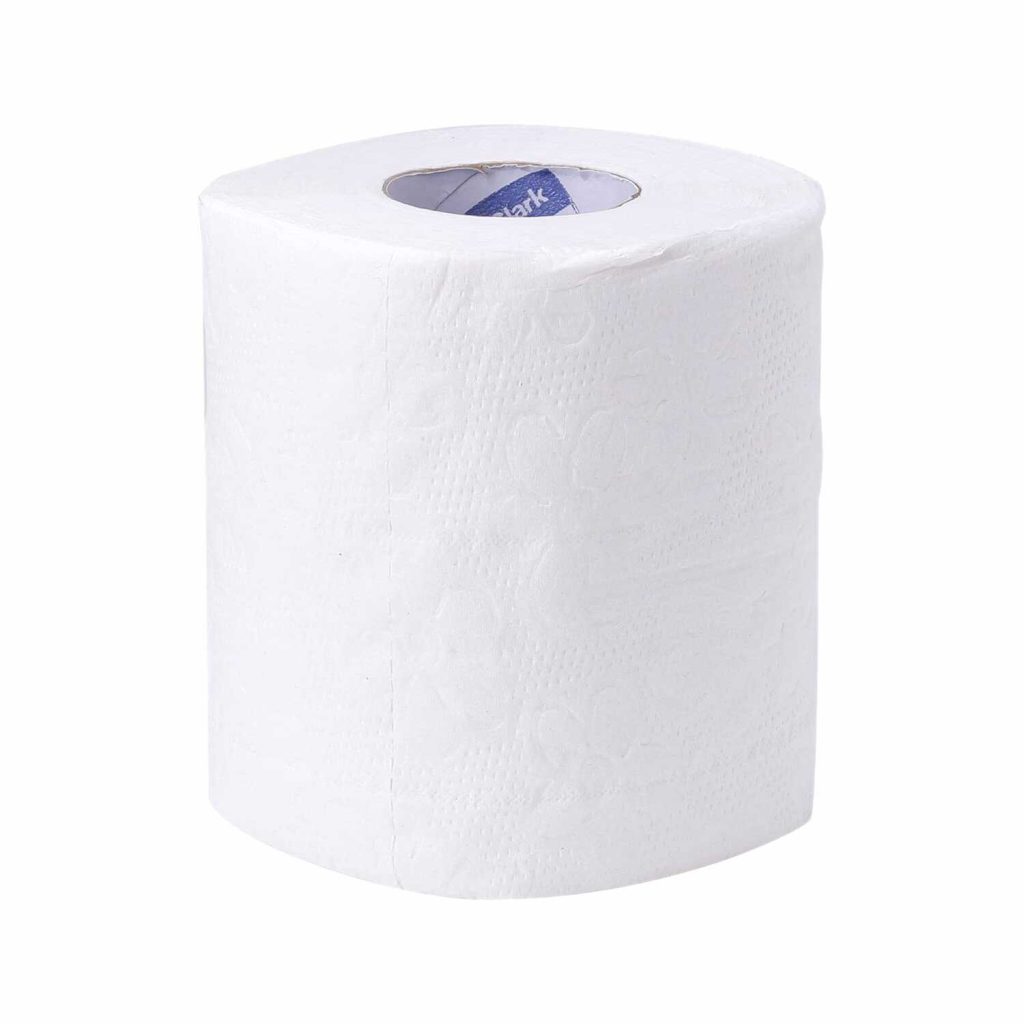
Toilet paper is one of those things we all use daily, but never really think about—until it’s gone. And once it disappeared, it triggered anxiety like nothing else. Unlike luxury goods, toilet paper is non-negotiable. We can skip a latte or put off buying new shoes, but toilet paper? That’s essential.
Symbol of Panic Buying
Why didn’t we empty the shelves of toothpaste or dish soap instead? Simply put, toilet paper became the symbol of control during chaos. When the pandemic hit, people feared being stuck at home for weeks, and stocking up on TP made them feel more prepared—even if it was irrational.
Manufacturing Limitations
Here’s something most people don’t know: commercial toilet paper (used in offices, restaurants, schools) is not the same as consumer toilet paper. When businesses shut down, demand shifted dramatically, but factories couldn’t pivot fast enough to repurpose their output for home use.
What Caused the Great Toilet Paper Shortage?
The COVID-19 Catalyst
Let’s rewind to early 2020. COVID-19 arrives, lockdowns begin, and suddenly everyone is racing to the store. This massive surge in demand blindsided both retailers and manufacturers.
Supply Chain Breakdown
Most toilet paper is produced in massive quantities on fixed schedules. It’s bulky, low-margin, and not designed to be stored in huge numbers in stores or warehouses. When demand spiked, the supply chain—built for stability, not chaos—couldn’t keep up.
Panic Buying and Hoarding
Like a snowball rolling downhill, the shortage fed on itself. The more people saw empty shelves, the more they rushed to buy. It wasn’t just preparing—it was hoarding.
Understanding the Supply Chain
-
The Journey of a Toilet Paper Roll
Ever wonder how TP gets from tree to tush? It’s a surprisingly intricate process.
Raw Materials and Production
Toilet paper starts as pulp—mostly from softwood trees like pine or spruce. After pulping, bleaching, and drying, it’s pressed into giant rolls, then cut into consumer sizes.
Packaging and Distribution
TP is big and bulky. That means it takes up a lot of space in trucks and warehouses. It’s not stockpiled in large quantities because it’s cheap and slow to expire.
Store Restocking Schedules
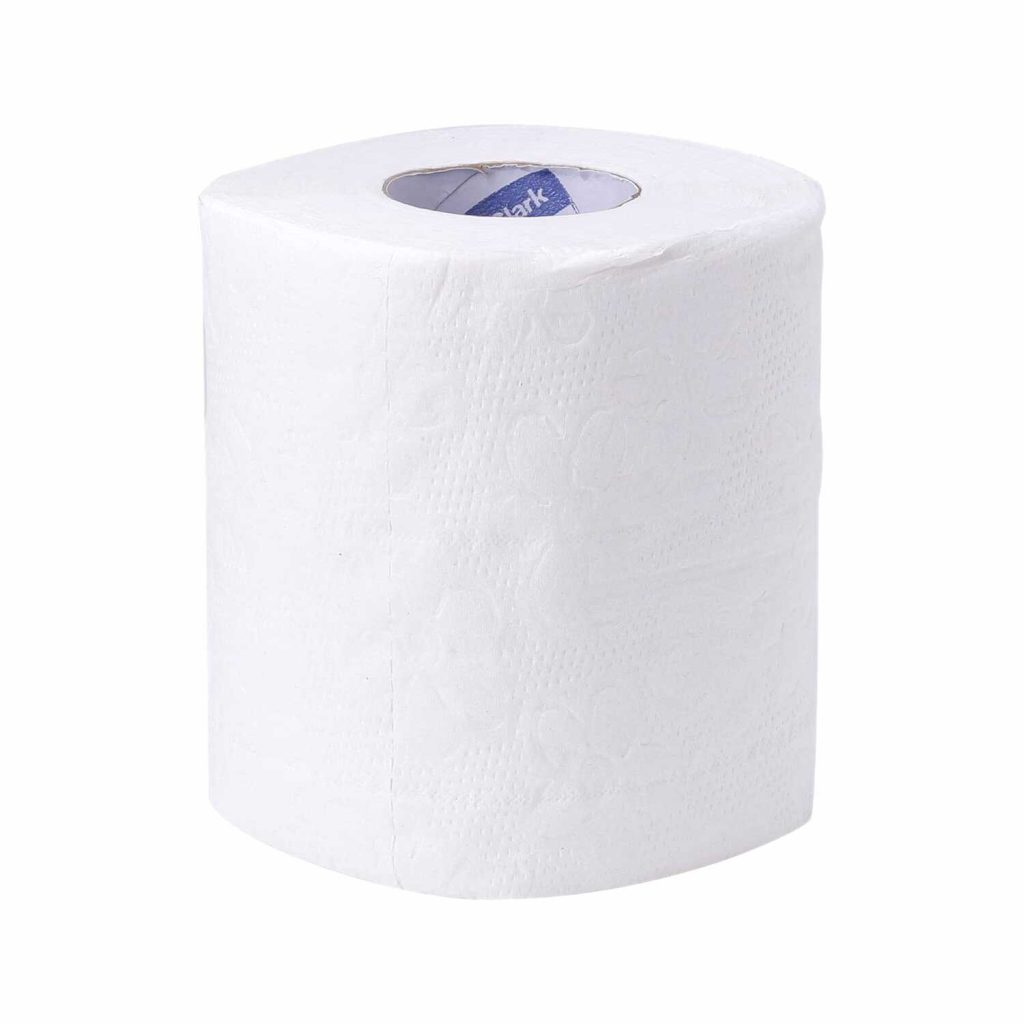
Most grocery stores use “just-in-time” delivery systems. When everyone buys at once, the system collapses.
Global vs Local Impact
The U.S. Market
American consumers were among the first to panic-buy. TP sales spiked by over 700% in March 2020 alone.
Canada, Australia, and the UK
These countries experienced similar shortages, with scenes of aisle brawls and eBay resellers charging 10x the price.
Developing Countries
In places with less reliance on toilet paper or with traditional alternatives (like water-based hygiene), the impact was less severe but still noticeable due to global supply issues.
Psychological Impact of Shortages
The Herd Mentality Effect
When you see others panic-buy, you follow suit. It’s survival instinct in action—if they’re grabbing it, it must be important, right?
Fear of Losing Control
Toilet paper represented a way to regain control during uncertain times. People weren’t just buying a product—they were buying peace of mind.
How Retailers Reacted
Purchase Limits and Rationing
Stores implemented “1 per customer” rules. This helped slow the tide but often came too late.
Stocking Up Behind the Scenes
Many retailers worked overtime to get more supply, but the physical limitations of storage and transport made it tough.
Store Communication Failures
Some stores didn’t clearly communicate restocking schedules or limits, leading to more panic.
What Consumers Did (And Shouldn’t Have) Done
Hoarding Gone Wrong
Stockpiling hundreds of rolls not only stressed the system but created waste. Some people still haven’t gone through their 2020 stash!
Resale and Black Market Issues
There were instances of people selling toilet paper on Facebook Marketplace or eBay at insane prices. Opportunistic? Yes. Legal or ethical? Not really.
The Rise of Bidets and Alternatives
Interestingly, the shortage led many people to install bidets—a more hygienic and sustainable option that’s common in many parts of the world.
What Have We Learned From This?
Overdependence on One Product
The toilet paper crisis reminded us that many of our systems rely too heavily on “just enough” production.
Importance of Supply Chain Resilience
Manufacturers are now looking at more flexible production models that can handle future spikes.
Panic Isn’t Productive
Buying five years’ worth of anything doesn’t help the community—and usually backfires.
## Will It Happen Again?
Future Risks
Natural disasters, political unrest, pandemics, or cyberattacks could all trigger new shortages—not just of TP, but anything.
How Companies Are Preparing
Businesses are investing in:
-
More storage capacity
-
Domestic production
-
Alternative materials (like bamboo)
## Smart Strategies for Consumers
Build a Balanced Stockpile
Keep enough TP for 2–3 weeks, not 6 months. That’s smart prepping—not panic.
Stay Informed, Not Alarmed
Follow official updates. Don’t base your shopping habits on viral videos.
Be a Thoughtful Shopper
Think community-first. If you buy only what you need, there’ll be enough for everyone.
Conclusion
The toilet paper shortage was more than just a weird side effect of the pandemic—it was a symptom of how vulnerable our systems can be when fear takes over. It reminded us of the importance of preparation, communication, and empathy.
While it gave us memes and moments of frustration, it also sparked innovation and self-reflection. So next time shelves are empty, let’s respond with logic, not panic.
FAQs
Q1: Why did people panic-buy toilet paper specifically?
Toilet paper became a symbol of preparedness and control. It’s bulky, visible, and emotionally reassuring—even if we don’t use more of it during a crisis.
Q2: Will another shortage happen soon?
There’s no sign of an imminent TP shortage, but supply chains are still fragile. Preparation—not panic—is key.
Q3: What are good alternatives to toilet paper?
Bidets, washable cloths, and even toilet paper made from bamboo or recycled paper are eco-friendly substitutes.
Q4: Is commercial toilet paper the same as residential?
Nope. Different packaging, quality, and distribution systems make it hard to shift commercial stock to residential use quickly.
Q5: Should I store extra toilet paper just in case?
Sure—but keep it reasonable. A few extra packs? Smart. A room full? Maybe not so much.